
Human papillomavirus (HPV) is one of the most common viruses transmitted through sexual contact. More than 100 types of HPV have been identified, and some of them are considered high-risk because they are associated with cervical cancer. In fact, nearly all cervical cancer cases are linked to persistent infection with high-risk HPV types.
Although in many cases the immune system clears the virus naturally, regular screening and preventive care are essential for early detection of cervical abnormalities and for protecting women’s reproductive health.
How HPV Is Transmitted
HPV is primarily transmitted through sexual contact, including skin-to-skin contact in the genital area. Transmission may occur even without full sexual intercourse. Most sexually active individuals will come into contact with HPV at some point in their lives.
Possible Symptoms of HPV
n most cases HPV infection does not cause noticeable symptoms. However, certain types of the virus can lead to genital warts or abnormal cervical cell changes. These cellular changes are usually detected through preventive screening tests such as the Pap test or HPV testing.
The Importance of Prevention
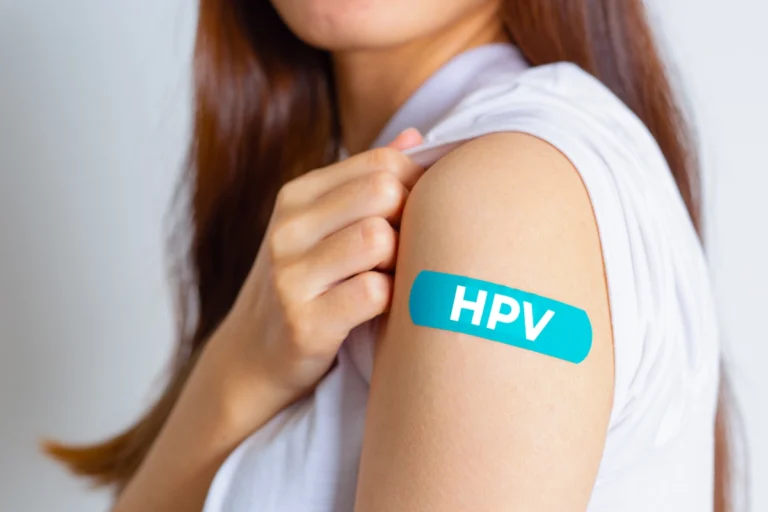
Prevention plays a key role in reducing the risks associated with HPV infection. Regular gynaecological examinations, Pap testing, HPV testing, and vaccination are essential tools for preventing cervical cancer. Through early detection and appropriate follow-up, precancerous lesions can often be treated before they progress to cancer, significantly improving women’s long-term health outcomes.