


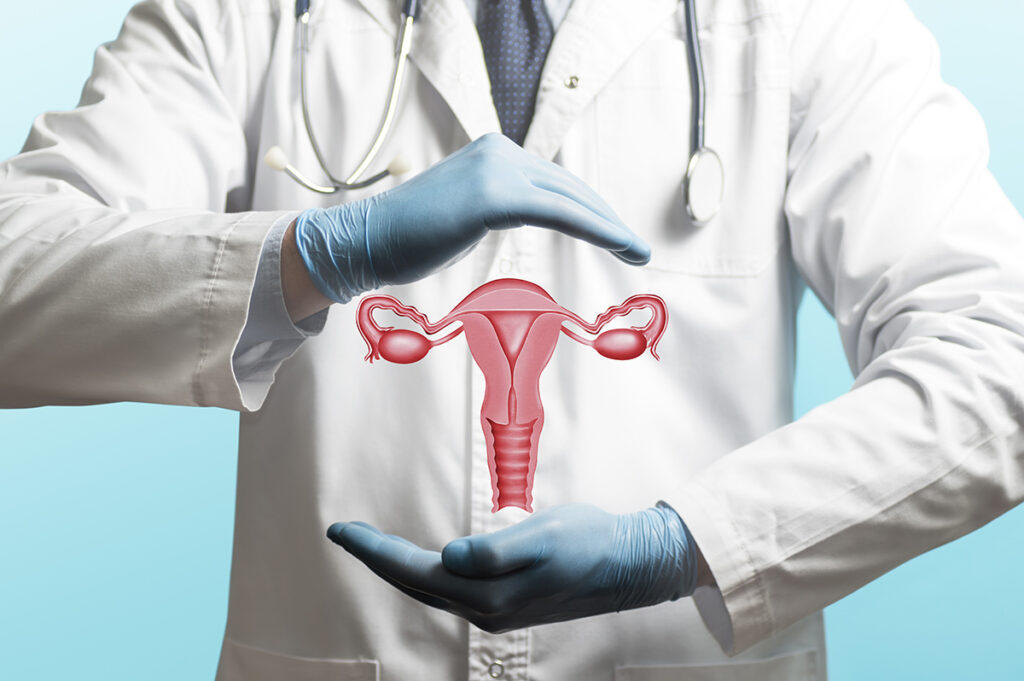
Preventive gynaecological screening is a fundamental component of women’s healthcare. The Pap test (Pap smear) and HPV testing are essential tools for the early detection of precancerous changes in the cervix. These tests allow clinicians to identify abnormal cervical cells or the presence of high-risk types of the human papillomavirus (HPV), which is responsible for the majority of cervical cancer cases. Through regular screening and appropriate follow-up, potential abnormalities can be detected and treated at an early stage, significantly reducing the risk of developing cervical cancer.
What is the Pap Test?
The Pap test is a cytological examination in which cervical cells are collected and analysed under a microscope. The procedure is simple, quick, and usually painless, and it is performed during a routine gynaecological examination. Its main purpose is to detect early cellular changes that could potentially develop into cervical cancer if left untreated.
What is HPV Testing?
HPV testing detects the presence of high-risk types of the human papillomavirus associated with cervical cancer. Unlike the Pap test, which identifies abnormal cells, HPV testing identifies the virus responsible for these cellular changes. In many screening programmes, the two tests are used together to provide a more accurate evaluation of cervical cancer risk.
When Should Screening Be Performed?
The recommended frequency of screening depends on a woman’s age, medical history, and previous test results. In general, regular screening is recommended after the onset of sexual activity or according to clinical guidelines and the advice of the gynaecologist. Individualised screening schedules ensure effective prevention and appropriate monitoring.
The Importance of Prevention
Prevention is the most effective strategy for reducing the incidence of cervical cancer. Through regular gynaecological examinations, Pap tests, and HPV testing, most precancerous cervical lesions can be detected and treated at an early stage. Proper information, responsible follow-up, and close collaboration with the gynaecologist play a key role in protecting women’s reproductive health and maintaining long-term wellbeing.