
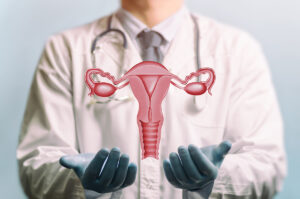


Hysteroscopy is a modern diagnostic and therapeutic technique in gynecology that allows direct visualization of the uterine cavity. It is performed by inserting a thin optical instrument through the cervix, without the need for abdominal incisions. The method provides high diagnostic accuracy and helps identify pathologies that may not always be visible on ultrasound examination.
Hysteroscopy is used to investigate abnormal uterine bleeding, infertility, and recurrent miscarriages, as well as to diagnose polyps, submucosal fibroids, adhesions, and congenital uterine abnormalities. In many cases, it also allows for simultaneous therapeutic management of the condition, avoiding the need for more invasive surgical procedures.
Diagnostic and Operative Hysteroscopy
Η διαγνωστική υστεροσκόπηση χρησιμοποιείται για την επιβεβαίωση της διάγνωσης, ενώ η επεμβατική επιτρέπει την αφαίρεση παθολογικών ευρημάτων με ακρίβεια και ασφάλεια.
When Is It Indicated
It is indicated in cases of abnormal bleeding, unsuccessful attempts to conceive, abnormal findings on ultrasound, or suspected intrauterine pathology.
Safety and Recovery
Hysteroscopy is performed either in the medical office or in a well-equipped hospital setting, usually without the need for general anesthesia. Recovery is immediate, and patients can return quickly to their daily activities. With proper indication and specialized expertise, hysteroscopy is a safe and effective method in modern gynecological care.