
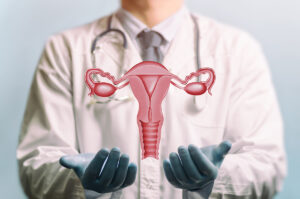
Endometriosis is characterized by the presence of tissue similar to the endometrium outside the uterine cavity, most commonly on the ovaries, peritoneum, and in the pelvis. It is an inflammatory condition affecting women of reproductive age and can significantly impact quality of life. Symptoms vary and do not always correlate with the extent of the disease.
The most common symptoms include severe menstrual pain, chronic pelvic pain, pain during sexual intercourse, and difficulty conceiving. In some cases, the condition may be asymptomatic and discovered incidentally during a gynecological examination. Early recognition is important for appropriate management and prevention of complications.
Diagnostic Approach
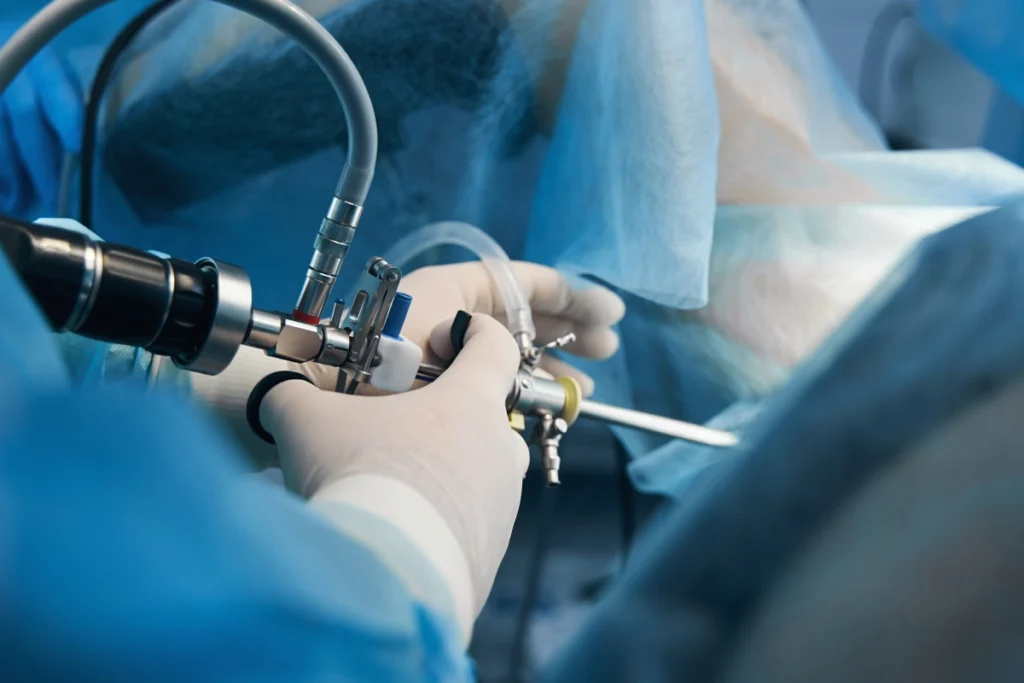
Diagnosis is based on medical history, gynecological examination, and ultrasound evaluation, while laparoscopy may be used to confirm the disease when necessary.
Treatment Options
Management is individualized and may include medication, hormonal therapy, or laparoscopic surgical treatment, depending on the symptoms and the woman’s goals.
Long-Term Follow-Up
Endometriosis is a chronic condition that requires ongoing monitoring. With specialized medical guidance and an individualized treatment plan, effective symptom management, improved quality of life, and support for fertility—when desired—are achievable.