

Ectopic pregnancy occurs when the fertilized egg implants outside the uterine cavity, most commonly in the fallopian tube. This condition cannot progress normally and may pose a serious risk to a woman’s health if not diagnosed promptly. Timely recognition is crucial for safe management and the preservation of reproductive health.
The most common symptoms include missed periods, abdominal or pelvic pain, and vaginal bleeding, although early stages may present with minimal signs. Diagnosis is based on a combination of ultrasound examination and measurement of β-human chorionic gonadotropin (β-hCG). Modern gynecology places special emphasis on early detection to prevent serious complications.
Diagnostic Approach
Timely ultrasound evaluation and hormonal assessment allow for confirmation of the diagnosis and determination of the appropriate management.
Treatment Options
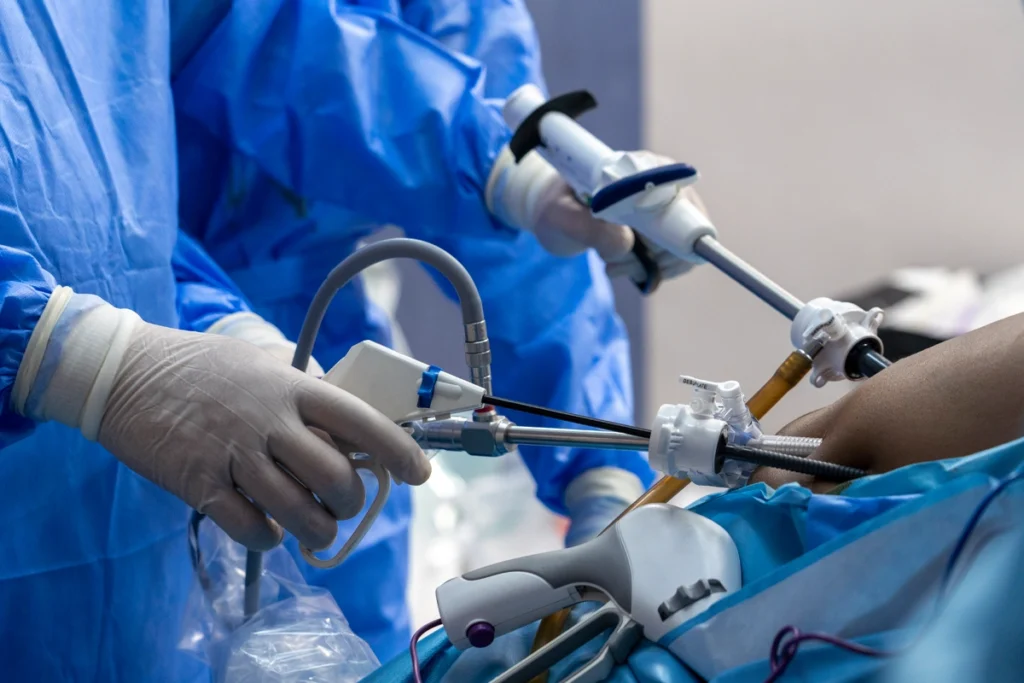
Management is individualized and may be medical or surgical, most often via a laparoscopic approach, depending on the stage and the overall condition of the woman.
Importance of Ongoing Monitoring
Close medical follow-up after treatment is essential for complete recovery and future fertility. With timely diagnosis, proper surgical technique, and personalized care, ectopic pregnancy can be managed effectively, ensuring the woman’s health and safety.