
A pregnancy is classified as high-risk when specific factors increase the likelihood of complications affecting the mother, the fetus, or both. These factors may be pre-existing prior to conception or may arise during the course of pregnancy. Common causes include chronic hypertension, diabetes mellitus, autoimmune disorders, multiple gestation, advanced maternal age, a history of complications in previous pregnancies, or evidence of abnormal fetal growth or development.
Early identification of a high-risk pregnancy allows for the implementation of targeted monitoring and prevention protocols. With the use of modern diagnostic tools and evidence-based obstetric care, pregnancy progression can be closely supervised, significantly reducing the risk of complications and optimising maternal and perinatal outcomes.
Specialised Monitoring
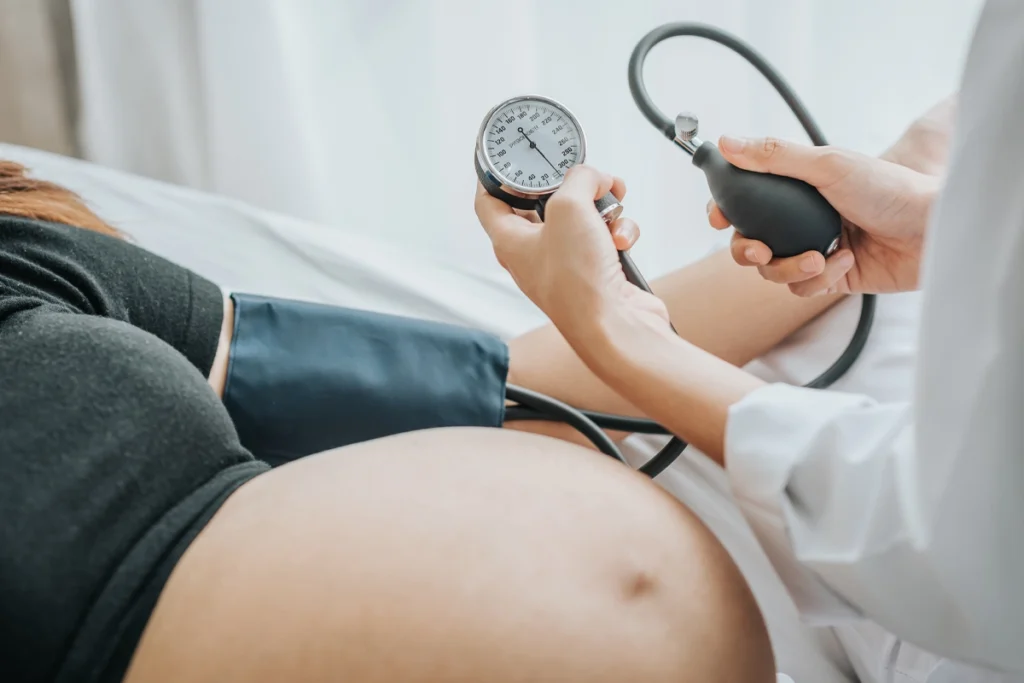
Monitoring includes more frequent clinical and ultrasound assessments, targeted laboratory investigations, and, where indicated, multidisciplinary collaboration with other medical specialties.
Prevention and Early Intervention
Appropriate medical guidance, adherence to clinical recommendations, and prompt management of any emerging changes play a crucial role in reducing potential risks.
Support for the Expectant Mother
High-risk pregnancy is often associated with increased anxiety. Ongoing communication, clear medical guidance, and psychological support help strengthen a woman’s sense of safety and trust throughout this demanding period. With structured monitoring and an evidence-based obstetric approach, even complex pregnancies can be managed effectively, always prioritising the health and wellbeing of both mother and baby.