
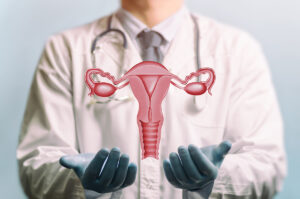
Intrauterine adhesions are fibrous formations that develop within the uterine cavity and can lead to partial or complete fusion of the uterine walls. This condition, also known as Asherman’s syndrome, most commonly occurs after curettage, intrauterine procedures, infections, or postpartum complications. Adhesions can affect menstruation, fertility, and embryo implantation.
The most common symptoms include reduced or absent menstruation, infertility, and recurrent miscarriages, while in some cases the diagnosis is made incidentally during infertility evaluation. Early recognition is important for restoring normal uterine function.
Diagnostic Approach
Diagnosis is based on ultrasound evaluation and confirmed with hysteroscopy, which allows direct visualization of the uterine cavity.
Hysteroscopic Management
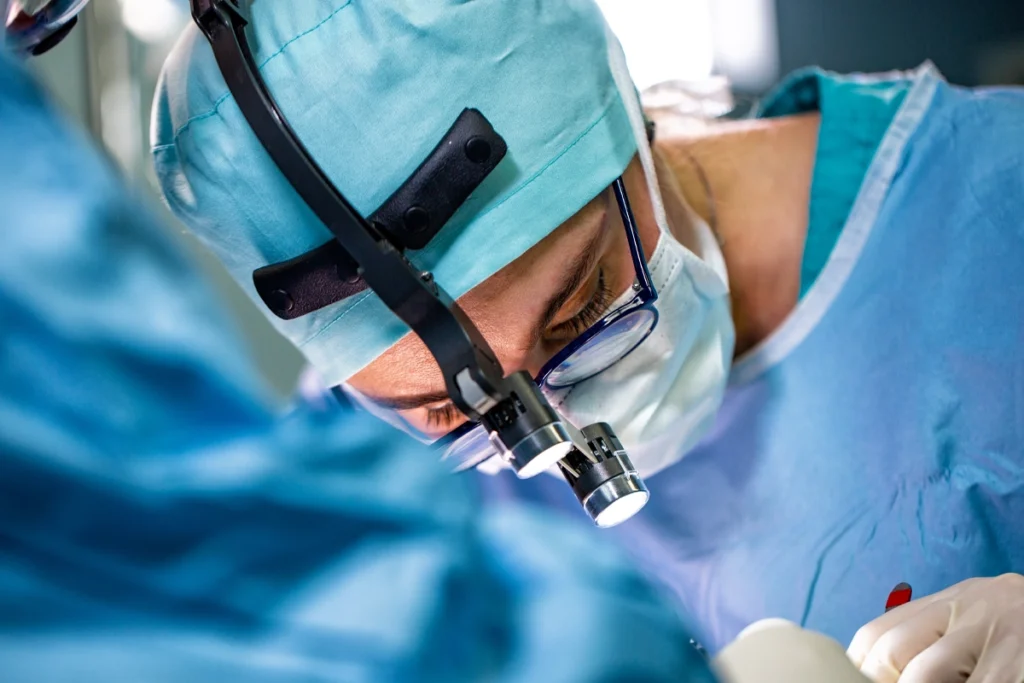
Adhesions are treated hysteroscopically, through the cervix without abdominal incisions, aiming for careful restoration of the endometrial cavity.
Postoperative Follow-Up
Proper postoperative follow-up is crucial to prevent reformation of adhesions and improve fertility. With specialized technique and individualized care, hysteroscopic adhesiolysis offers high success rates and restores reproductive function.